
The Science of Sound: How Frequency and Vibration Influence the Nervous System
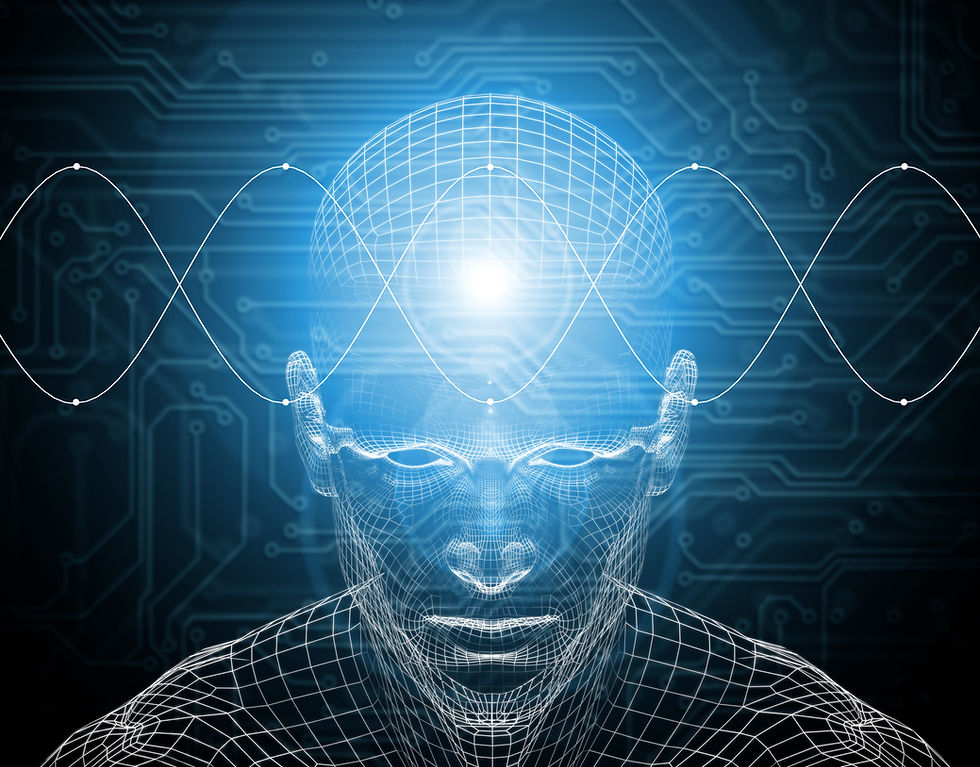
Sound is not simply something we hear — it is a mechanical vibration that interacts with the body and nervous system on a physiological level.
Emerging research from Stanford Medicine is exploring how acoustic waves and sound-based stimulation may influence neural activity, brain tissue, fluid movement, and mechanosensitive pathways within the body. Researchers describe how sound waves create subtle mechanical stimulation through vibration and pressure, reinforcing the idea that sound is not only psychologically perceived, but physically processed throughout the body and nervous system.
While clinical ultrasound technology differs significantly from sound baths, the broader scientific principle remains relevant: the nervous system responds to sound, rhythm, vibration, and frequency.
Certain instruments commonly used in sound baths — including singing bowls, gongs, humming, vocal toning, and rhythmic percussion — may help encourage downregulation of the sympathetic “fight or flight” response and support activation of the parasympathetic nervous system associated with rest, relaxation, and recovery.
From a physiological perspective, immersive sound experiences may influence breathing patterns, vagal pathways, attentional focus, and the body’s stress response. Many individuals report feeling calmer, more grounded, emotionally released, or deeply rested following sound-based practices.
My approach to sound healing is grounded in my lived experience, critical thinking and intuition. I view sound baths not as a replacement for evidence-based medical care, but as a complementary practice that may help create the conditions for nervous system regulation, restoration, and emotional wellbeing in an increasingly overstimulated world.
References
Stanford Medicine. Innovations Helping Harness Sound and Acoustics for HealingStanford Medicine Article
Stanford Neurosciences Institute. Stimulating the Brain with SoundStanford Neurosciences Institute


